


A patient undergoes cancer screening at the Integrated Molecular Imaging Center (IMIC) located at the Kenyatta University Teaching Referral and Research Hospital.
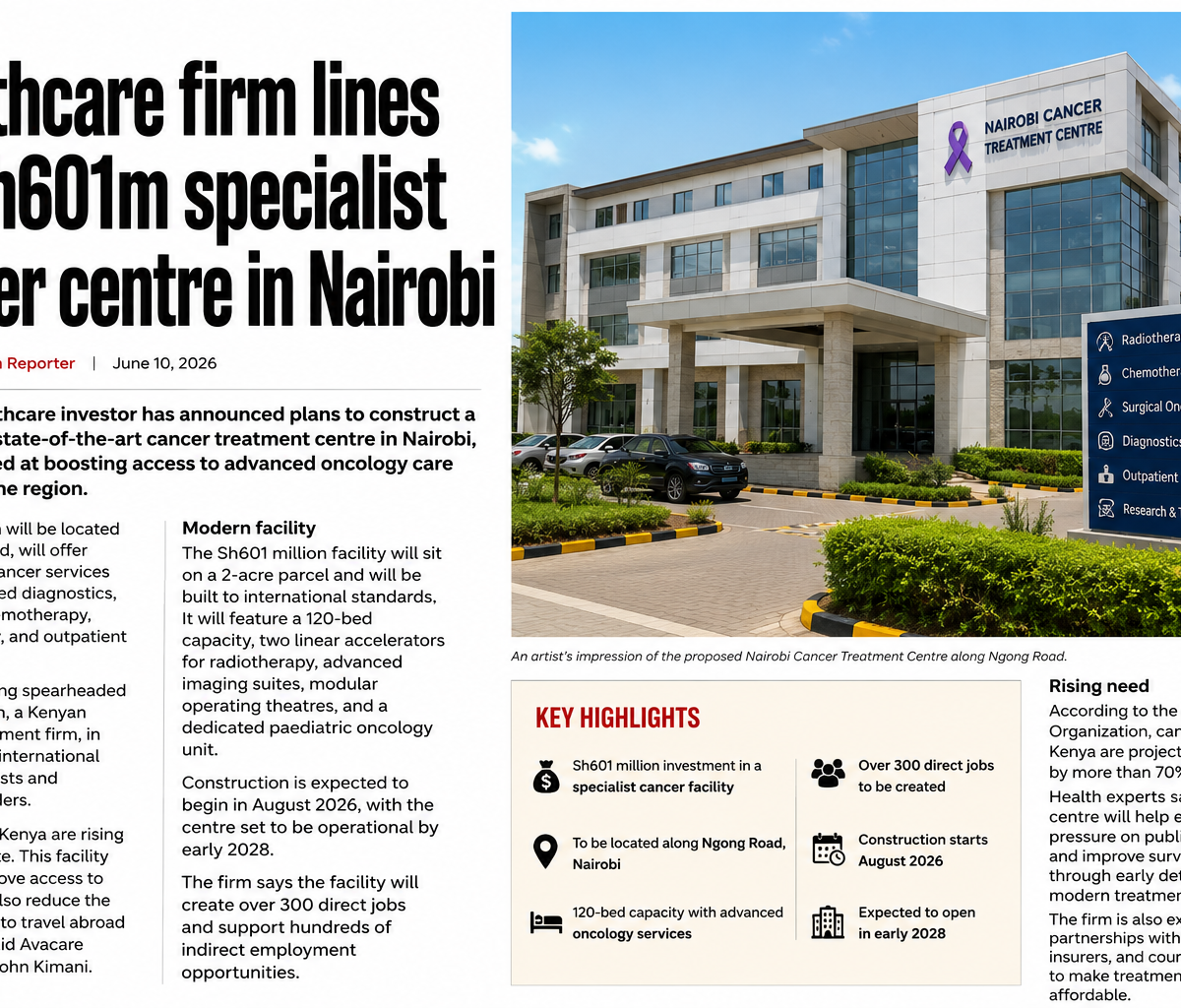
NAIROBI, Kenya — A major healthcare investment is set to transform cancer treatment in Kenya after a medical firm unveiled plans to establish a Sh601 million specialist cancer centre in Nairobi, signaling a significant step toward improving access to life-saving oncology services in the country.
The planned facility, expected to offer advanced cancer diagnosis, treatment, and patient support services, comes at a time when Kenya continues to battle a growing burden of cancer cases, with thousands of families struggling to access affordable and timely care.
Industry observers say the investment could ease pressure on overcrowded public hospitals while reducing the need for costly overseas treatment.
A Major Boost for Cancer Treatment in Kenya
The proposed specialist cancer centre is expected to provide comprehensive oncology services, including early cancer screening, chemotherapy, radiotherapy referrals, specialist consultations, imaging, laboratory diagnostics, and post-treatment care.
According to healthcare stakeholders, one of Kenya’s biggest healthcare gaps remains access to specialized cancer facilities, particularly outside the capital city.
Patients often endure long waiting periods at public referral hospitals, with many forced to seek private care that remains financially out of reach for ordinary citizens.
The Sh601 million investment is therefore being viewed as a potentially game-changing development in Nairobi’s rapidly growing healthcare landscape.
Experts believe increased private investment in cancer treatment infrastructure could help reduce mortality rates caused by delayed diagnosis.
Why the Cancer Centre Matters
Cancer remains one of Kenya’s leading causes of death.
Health experts have repeatedly warned that many Kenyans are diagnosed at advanced stages due to delayed screening, limited awareness, and inadequate access to specialist care.
The most common cancers reported in Kenya include:
- Breast cancer
- Cervical cancer
- Prostate cancer
- Oesophageal cancer
- Colorectal cancer
For years, patients requiring advanced treatment have faced expensive travel costs, delayed appointments, and shortages of specialized medical personnel.
The planned cancer centre could help bridge these gaps by increasing local treatment capacity and shortening patient waiting times.
Healthcare analysts say modern specialist centres are increasingly becoming necessary due to changing lifestyles, population growth, environmental factors, and increasing cancer diagnoses.
Rising Demand for Cancer Services
Kenya has witnessed an increasing number of cancer diagnoses over the past decade, placing immense pressure on hospitals already struggling with capacity constraints.
Medical experts say early detection remains one of the strongest weapons against cancer, but many patients delay hospital visits due to financial limitations or fear of diagnosis.
A dedicated cancer centre in Nairobi could help encourage regular screening programs, public awareness campaigns, and specialized care pathways designed to improve patient survival outcomes.
“Access to timely diagnosis often determines whether a patient survives,” one healthcare professional familiar with oncology services said.
Many families affected by cancer also face devastating financial burdens, often selling land, businesses, or personal assets to finance treatment.
The new investment could improve affordability and convenience by expanding treatment options closer to home.
Nairobi Emerging as a Healthcare Investment Hub
Nairobi has increasingly become a magnet for healthcare investments, with private players pouring billions into specialized treatment facilities targeting chronic illnesses and advanced medical care.
Medical tourism has also emerged as a growing sector, with regional patients traveling to Kenya for quality specialist healthcare.
The proposed cancer centre may position Nairobi as a stronger regional healthcare destination while creating employment opportunities for doctors, oncologists, nurses, laboratory specialists, pharmacists, and support staff.
Healthcare economists argue that investments in specialist hospitals not only strengthen health systems but also stimulate economic activity through job creation and supporting industries.
Pressure on Existing Cancer Facilities
Kenya’s public hospitals have often struggled with congestion in oncology departments.
Patients have previously raised concerns over:
- Delays in diagnosis
- Long queues for treatment
- High treatment costs
- Limited specialist availability
- Equipment breakdowns
Such challenges have sometimes forced patients to seek expensive treatment abroad in countries such as India, South Africa, and Turkey.
The planned Sh601 million centre could therefore reduce dependence on foreign treatment and improve local confidence in specialist healthcare services.
Hope for Patients and Families
For many Kenyan families battling cancer, the announcement represents hope.
Cancer treatment journeys are often emotionally and financially draining, particularly for low- and middle-income earners.
Patient advocates have repeatedly called for expanded healthcare infrastructure to make specialist treatment more accessible.
If completed as planned, the Nairobi facility could significantly improve patient outcomes through faster diagnosis, specialized care, and enhanced treatment support systems.
Healthcare experts continue to emphasize that early detection remains key, urging Kenyans to prioritize regular medical checkups and screening.
What Happens Next?
While timelines for completion and operational rollout are yet to be fully disclosed, the proposed cancer centre is expected to attract significant public attention due to the urgent need for expanded oncology services in Kenya.
The healthcare sector will be closely watching the project’s progress, especially given increasing demand for cancer treatment and rising public concern over access to quality care.
Should the project materialize successfully, it may become one of Nairobi’s most important healthcare investments in recent years.
As cancer cases continue to rise, many Kenyans will be hoping the Sh601 million specialist facility marks the beginning of a stronger, more accessible fight against one of the country’s deadliest diseases.